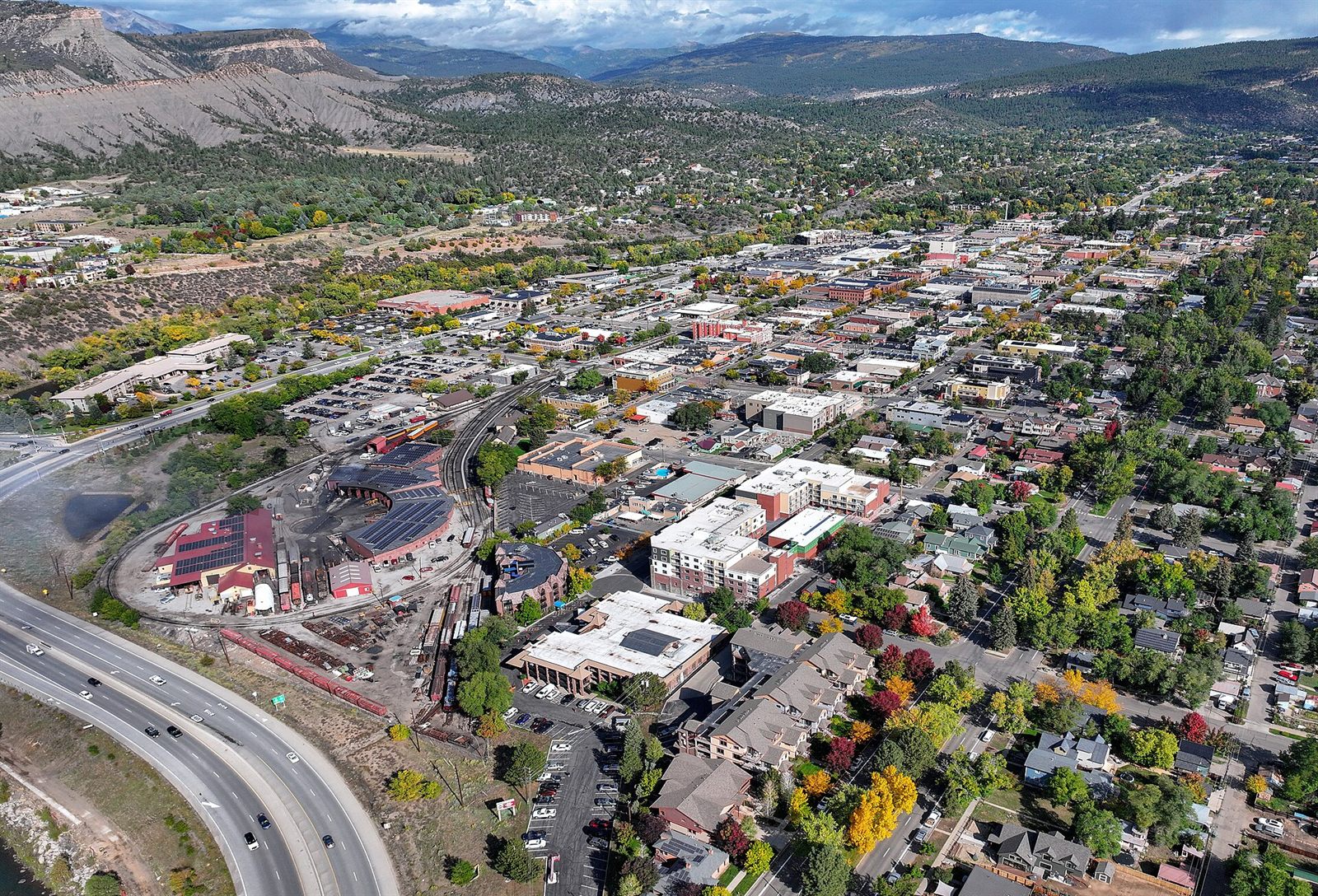
Modern dance practice · Durango, Colorado
Move with intention
Cruz Yen is a modern dance practice in Durango, Colorado. Classes are built on body awareness, musicality and individual expression, from first steps to phrase work and improvisation, in a studio where every body is welcome.
The foundation
Build a strong foundation
Modern dance is not a look you borrow. It is a set of skills you can train, one honest repetition at a time. These eight threads run through every class at Cruz Yen, whether it is your first week or your tenth year.
-
Body awareness
You learn what your body is actually doing while it does it: where the weight sits, which joints are stacking, which muscles are working and which are only bracing. That attention is the skill every other skill rests on.
-
Floor work and falls
The floor is a partner, not an accident. You practice spiralling down, rolling through and arriving back on your feet with the same breath you started with, so going low stops being something to fear.
-
Musicality and rhythm
Counting is only the doorway. The work is hearing how a phrase wants to be answered, riding the beat, sitting behind it, or moving through silence with the same conviction.
-
Improvisation
Structured tasks give you a rule and a question; you answer with the body. Over time you stop reaching for shapes you have seen and start trusting the ones you make.
-
Phrase building
Movement becomes material when it can be repeated, varied and finished. You learn to build a phrase that reads clearly from the floor and to hold its shape while you perform it.
-
Performance confidence
Being watched is a skill like any other. You practice it in small doses, in a room where nobody is ranked, until standing in front of people feels like sharing rather than surviving.
-
Breath and spacing
Breath starts every phrase and tells you when to rest. Spacing is the quiet agreement between everyone moving in the room, so nobody gets crowded and nobody gets lost.
-
Ensemble listening
Moving with other people is listening with the whole body: matching weight, catching a rhythm someone else started, and giving the group something to respond to.
Every body is welcomeNo audition to belong
Material that adaptsScaled to the room each week
Structure and freedomTrained as one discipline
Honest correctionsSpecific and unhurried
Who we are
Technique is the floor. Expression is the reason.
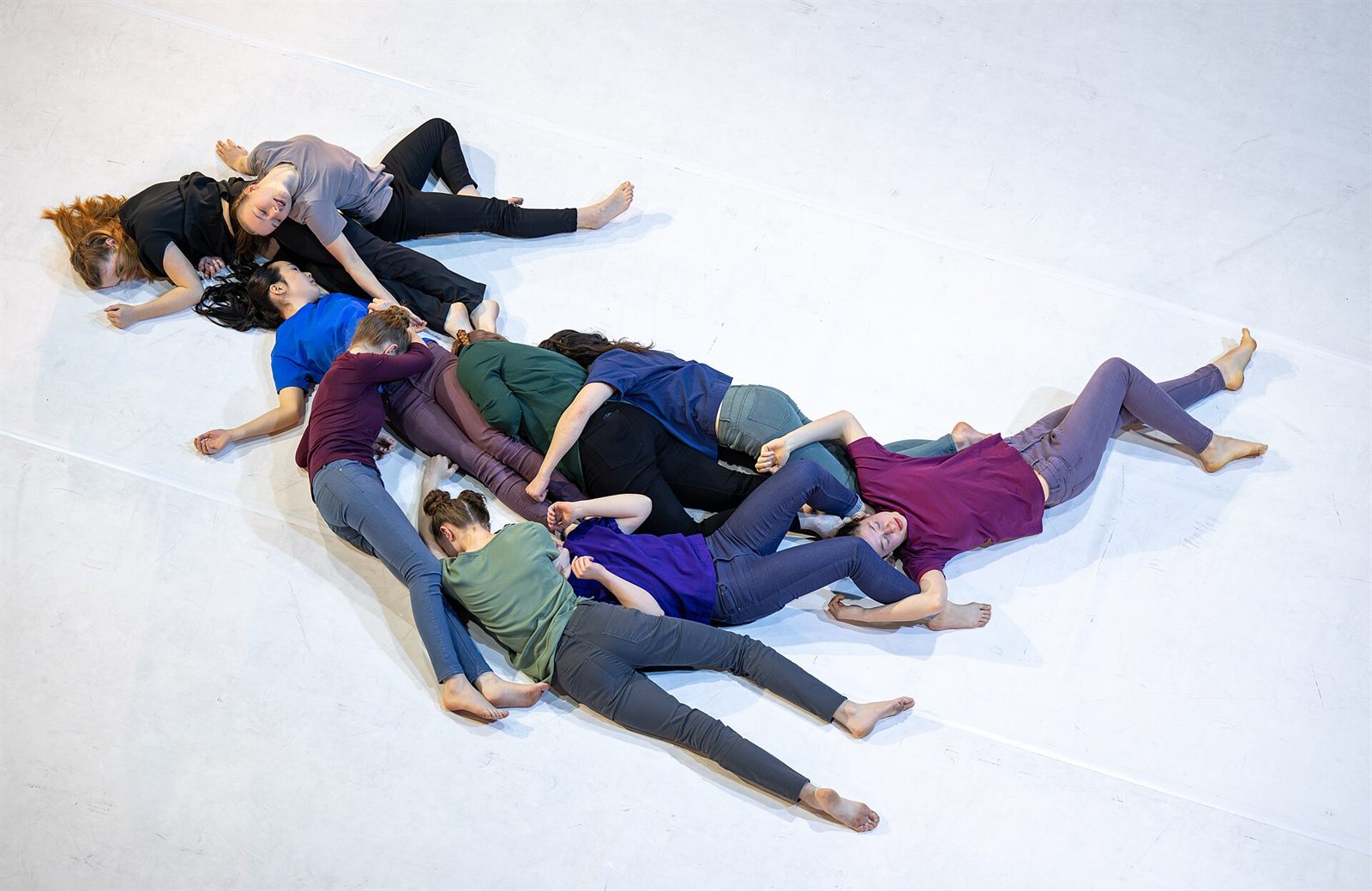
Every class works on movement qualities, musicality and expression at once, in whatever proportion the room needs that week. There is no audition and no ideal shape in the mirror: the person returning after twenty years away and the person who has never counted music in their life are both challenged without either being left behind.
- Movement qualities Weight, time and space are the dials you turn, until changing them is a decision rather than an accident.
- Musicality Hear where the music breathes and move with it, against it or underneath it. Silence counts too.
- Expression Borrowed shapes fade. Tasks make your own movement obvious to you, and craft lets you repeat it on purpose.
From the floor
What the work looks like
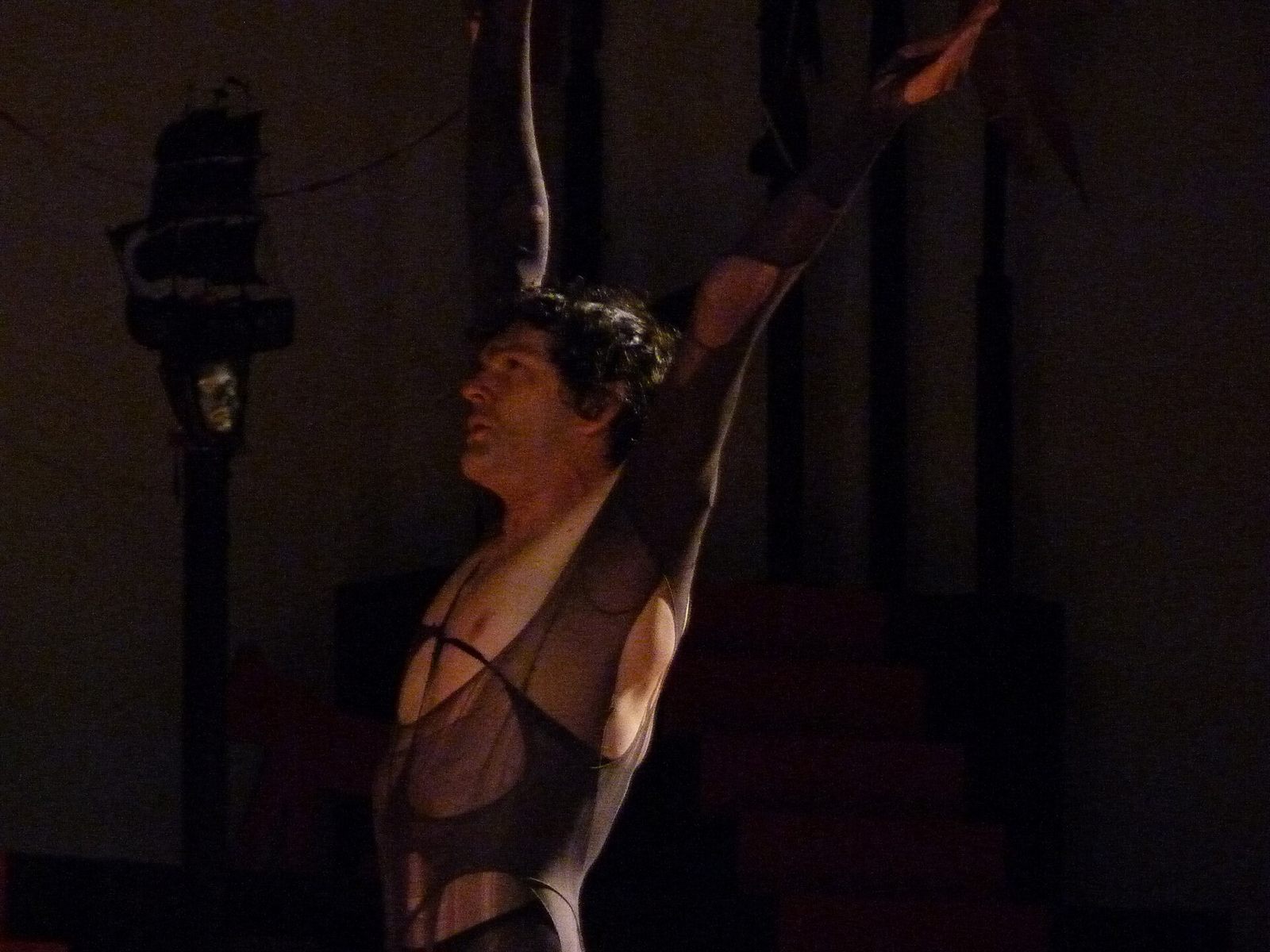
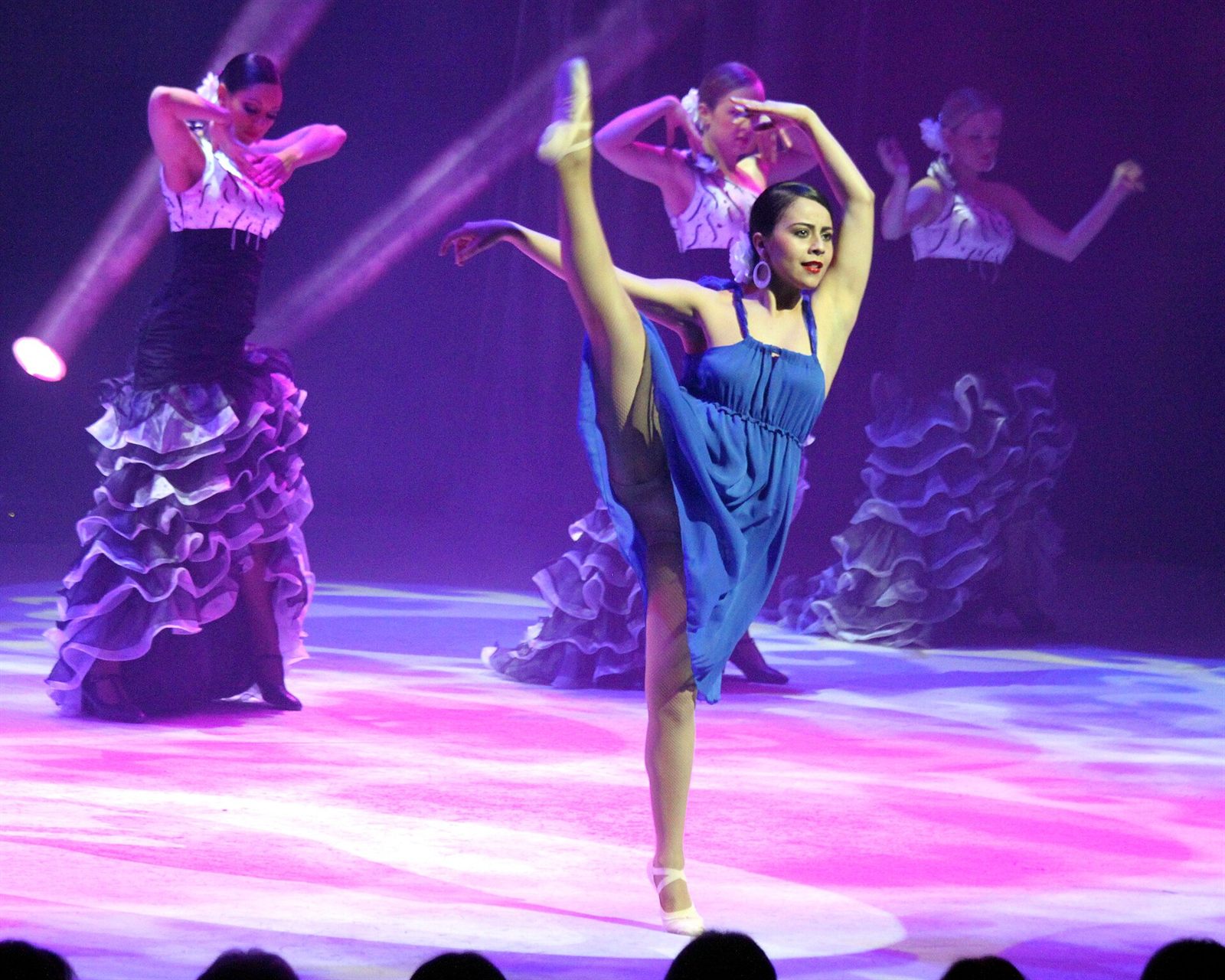
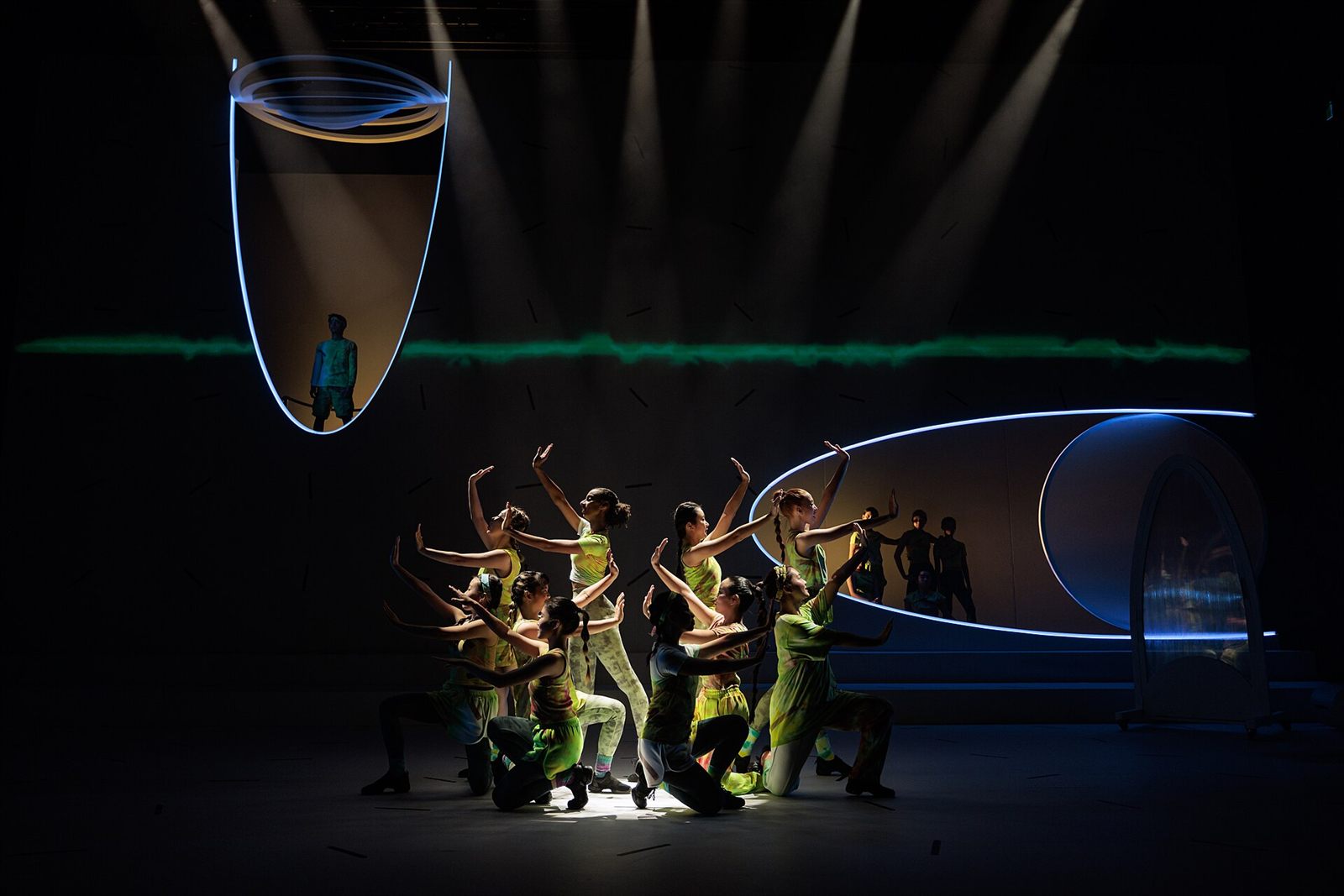
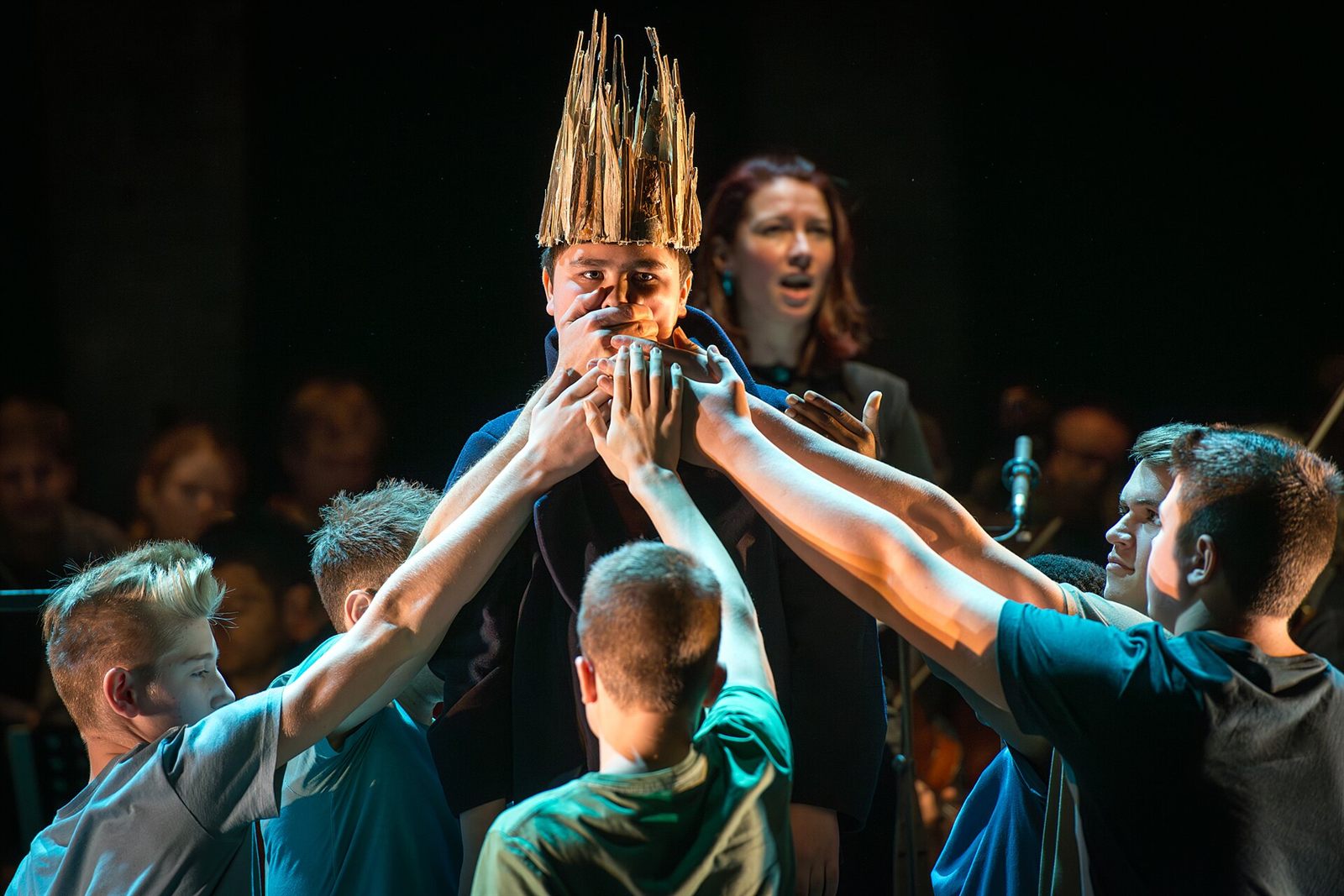
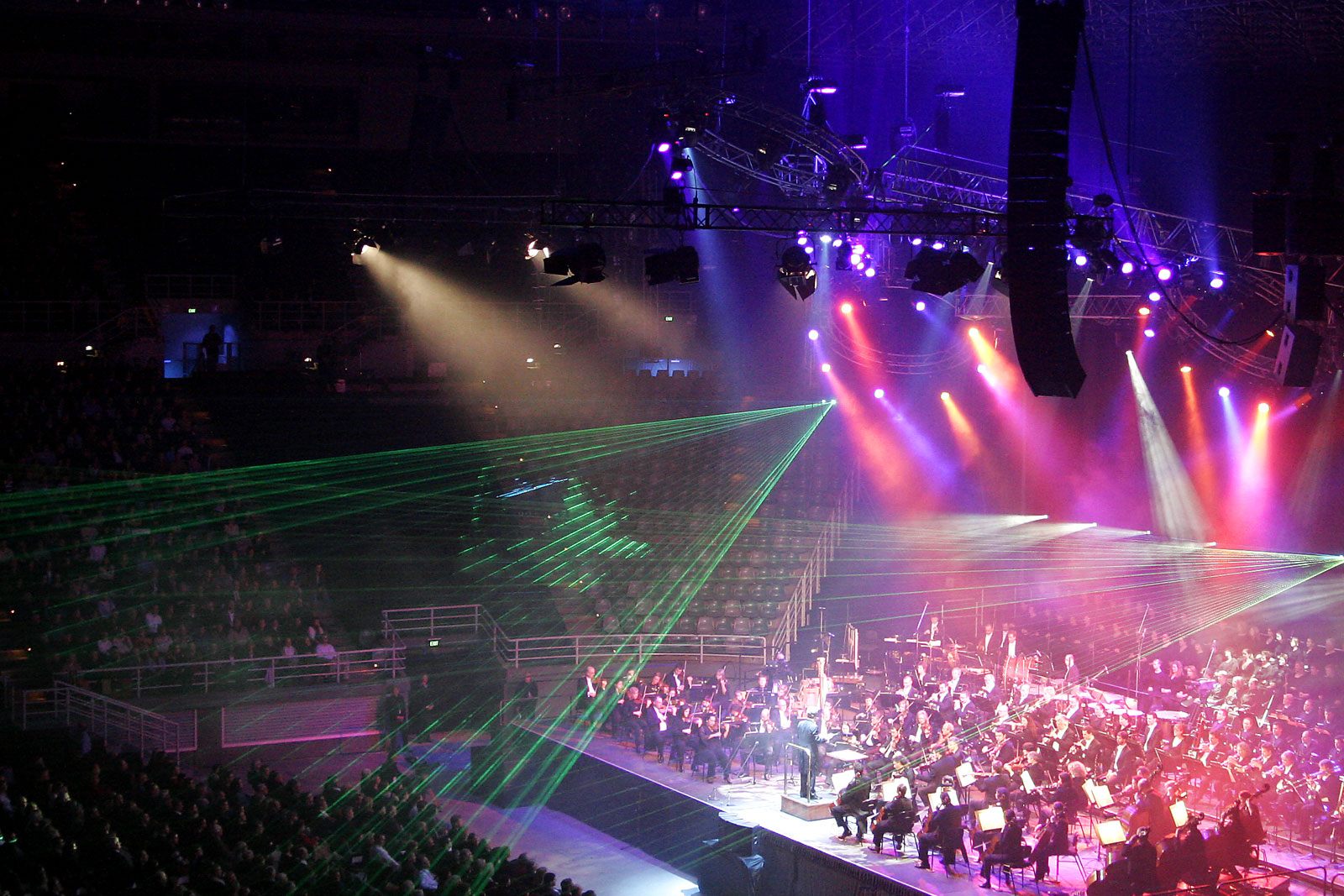
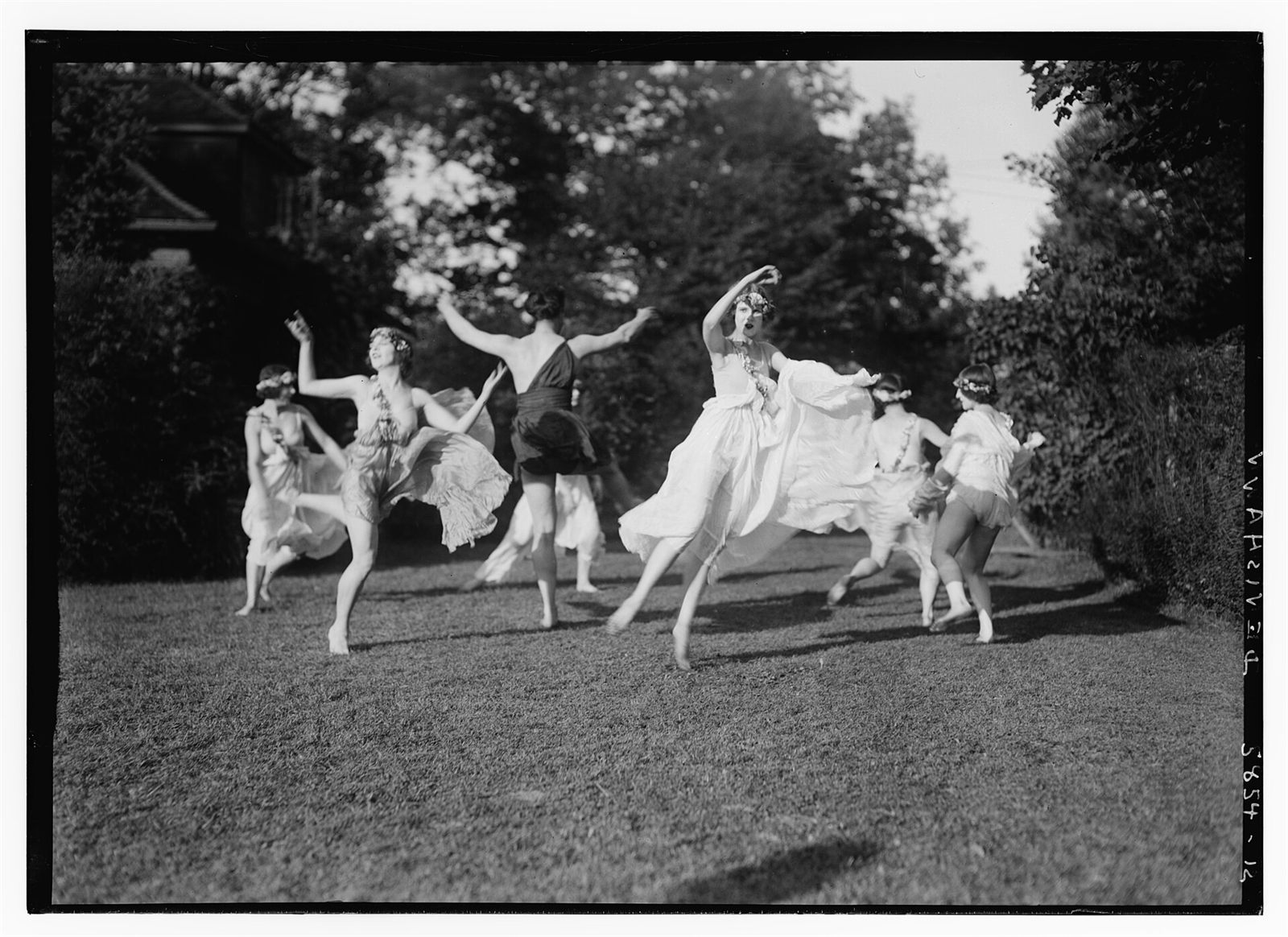
Three ordinary moments: the group moving together, a phrase taking shape, and the light at the end of a long rehearsal.
Your first class
Take the first step
The first class is the hardest one, and only because it is the first. Tell us where you are starting from and we will tell you which class to walk into.
- Raymond Joseph teaches the classes and answers the email personally.
- No audition, no ideal shape, nothing to prepare.
- Come a few minutes early, meet the floor, ask the question you were saving.
The practice
What you can develop
- Alignment that holds up under weight, speed and fatigue, not just in a slow warm-up.
- Weight and momentum you can hand over to the floor and take back again.
- A rhythm you can feel in the body before anyone counts it out loud.
- Material you can repeat on purpose, and vary without losing.
- Nerve in front of others, built in small doses inside a room that is on your side.
- Listening while moving, so the group stays one organism instead of six separate solos.
- A habit of attention that follows you out of the studio and into the rest of the week.
Your journey starts here
Four steps, no audition

- Send a noteEmail or call and say where you are starting from: never danced, danced as a kid, or dancing now and hungry for structure. Raymond answers personally.
- Come in earlyArrive a few minutes before your first class, meet Raymond, see the floor and ask the question you were saving.
- Start on the floorMost people begin with the Foundations class. The first weeks are breath, weight and simple floor patterns, so nothing is thrown at you before you can hold it.
- Find your lineFrom there you move into technique and phrase work, the improvisation lab, community sessions or seasonal performance work, in whatever order fits the practice you want.
Connect
Come find the floor
- Studio3281 E 5th Ave
Durango, CO 81301, US - ContactRaymond Joseph
- Phone+1 (305) 555-0163
- Email[email protected]
- Office hoursMonday to Friday, 9:00 am to 5:00 pm Mountain Time
- Area servedDurango and La Plata County